WRO 2015 – Πίστα Γυμνασίου – Μικρο-αλλαγές (14 Απριλίου 2015)
Κάντε κλικ εδώ για να κατεβάσετε τους κανόνες (έκδοση 3).
Αφαιρέθηκε η αναφορά σε «5χ5 grid references».
* Ερωτήσεις και απαντήσεις – Πίστα Γυμνασίου


Κάντε κλικ εδώ για να κατεβάσετε τους κανόνες (έκδοση 3).
Αφαιρέθηκε η αναφορά σε «5χ5 grid references».
* Ερωτήσεις και απαντήσεις – Πίστα Γυμνασίου
A first stipend of €1,000 is provided at the start of the coding period. After three months of coding, if the project is successful, the students then receive an additional €3,000 grant. The coding period is usually from June to September.
So, if you are studying computer science and are thinking about what summer job to get, why not write code that will be used in space exploration?
See the European Space Agency website for further details.
ESA is seeking student software developers from across Europe to participate in its Summer of Code in Space. Winning applicants will be paid to develop innovative open-source software for space projects.
ESA’s Summer of Code in Space (SOCIS) is an annual programme to give students the chance to work on open-source space-related software during their summer time.
Since SOCIS began in 2011, more than 60 students have been part of the adventure, and if you are a student in any ESA Member State, this year could be your turn.
Each year ESA begins by contacting ‘mentoring organisations’ that are developing free, open-source software for the space sector. Mentors propose ideas for improving their software or even to create completely new software based on existing building blocks.
ESA then selects between 20 and 25 software projects, then opens a call to students all over ESA Member States. Students who are interested in a particular project can send an application to ESA to propose clear, achievable technical objectives that they seek to realise.
ESA puts the winning students together with their mentors, and each student is paid to perform their work.
A first stipend of €1000 is provided at the start of the coding period. If the project is successful after three months of work, the students then receive an additional €3000 grant. The coding period is usually from June to September.
SOCIS aims to raise the awareness of ESA and open-source space projects within the open-source programming community, improve existing space-related open-source software and find new talents for developing space applications in future.
For more information, or to apply to participate, visit the SOCIS webpage or contactMaxime.Perrotin@esa.int
Από τον Χαράλαμπο Ζαραφίδη!
Οδηγίες για την κατασκευή της πίστας του ποδοσφαίρου υπάρχουν στο: http://www.wro2013.org/
Μια λίγο διαφορετική προσέγγιση ακολούθησα για την κατασκευή, με στόχο να μπορεί να μετακινηθεί σχετικά εύκολα η πίστα αλλά με μειονέκτημα ότι θα πρέπει να τοποθετηθεί στο πάτωμα ή σε μια άλλη επίπεδη επιφάνεια π.χ. πάνω σε μεγάλο πίνακα.
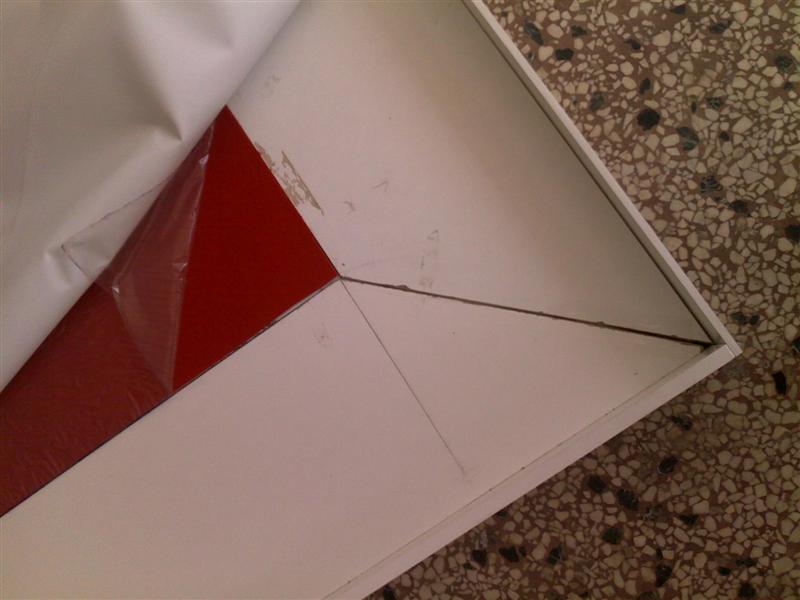
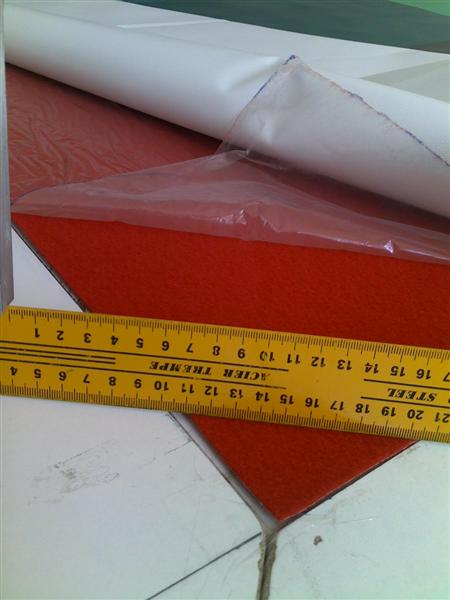
Επισυνάπτω μερικές φωτογραφίες για την κατασκευή της πίστας του ποδοσφαίρου. Με την επισήμανση ότι έχει ανακοινωθεί το 2016 θα αλλάξουν οι προδιαγραφές. Μάλλον δεν θα υπάρχει μουσαμάς, αλλά πράσινη μοκέτα. (Note: In 2016, the WRO Gen II Football field will change to use a green carpet field)
Στην κατασκευή της πίστας προβλέπεται κάτω από το μουσαμά να υπάρχει μοκέτα 3 χιλιοστά (1.1.4. The field must be either placed on a carpet base. The recommended carpet is 3 mm thick outdoor carpet.). Αν και στη Ρωσία (WRO-2014) νομίζω ότι δεν υπήρχε μοκέτα κάτω από το μουσαμά.

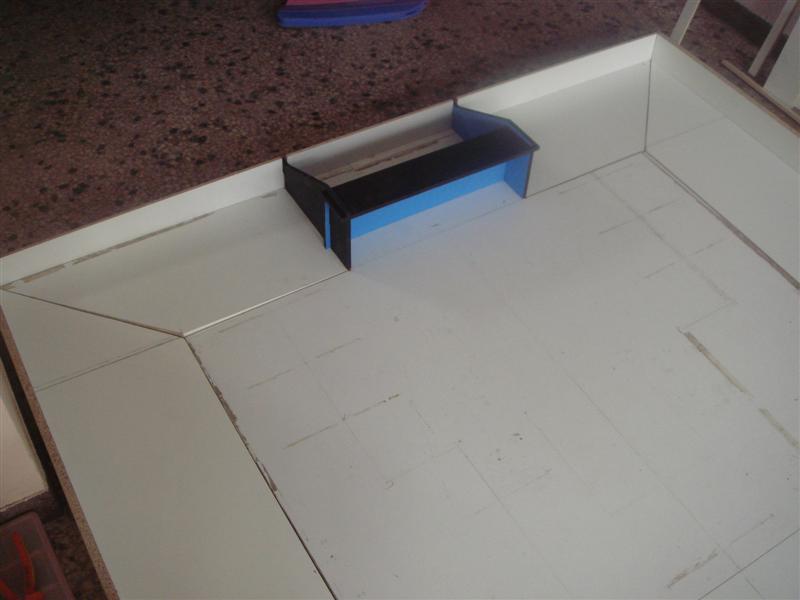
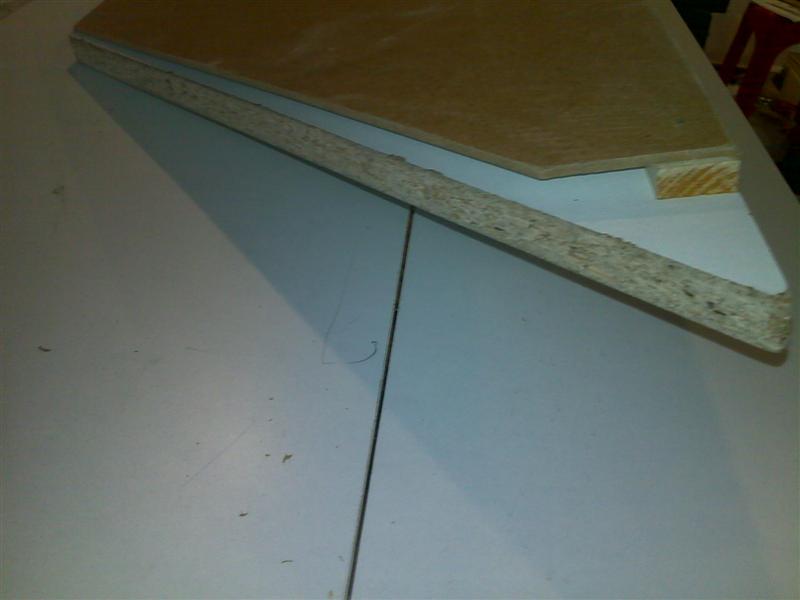
Για να πετύχουμε τη διαφορά των 3ων χιλιοστών μπορούμε να τοποθετήσουμε στο κάτω μέρος των κεκλιμένων επιφανειών καπλαμά ή «HDF Σμαλτίνη» δείτε: http://www.praktiker.
Η κλίση μπορεί να επιτευχθεί με πηχάκι ύψους 1 εκ. και την τοποθέτηση του στο κάτω μέρος περιμετρικά.

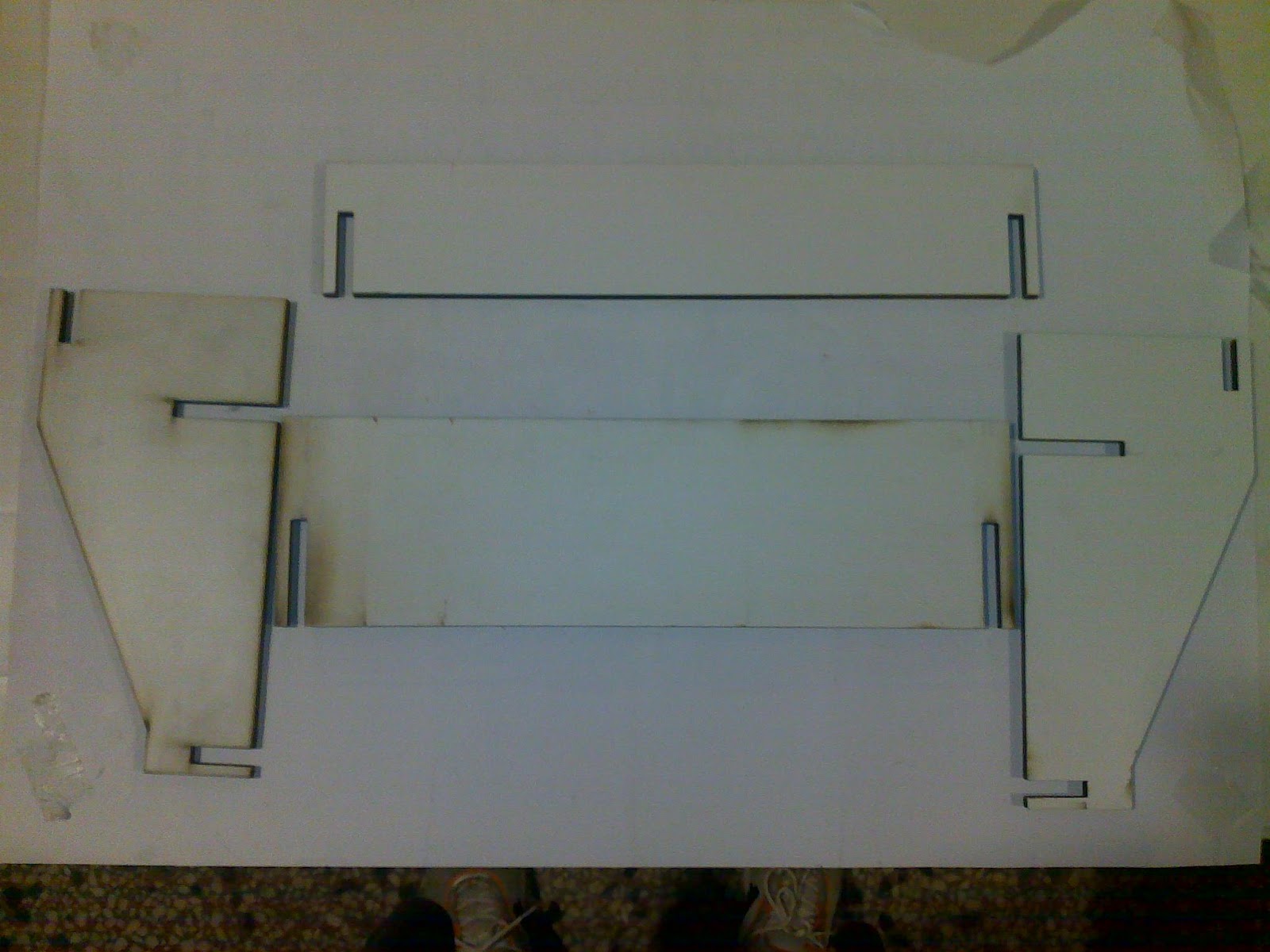

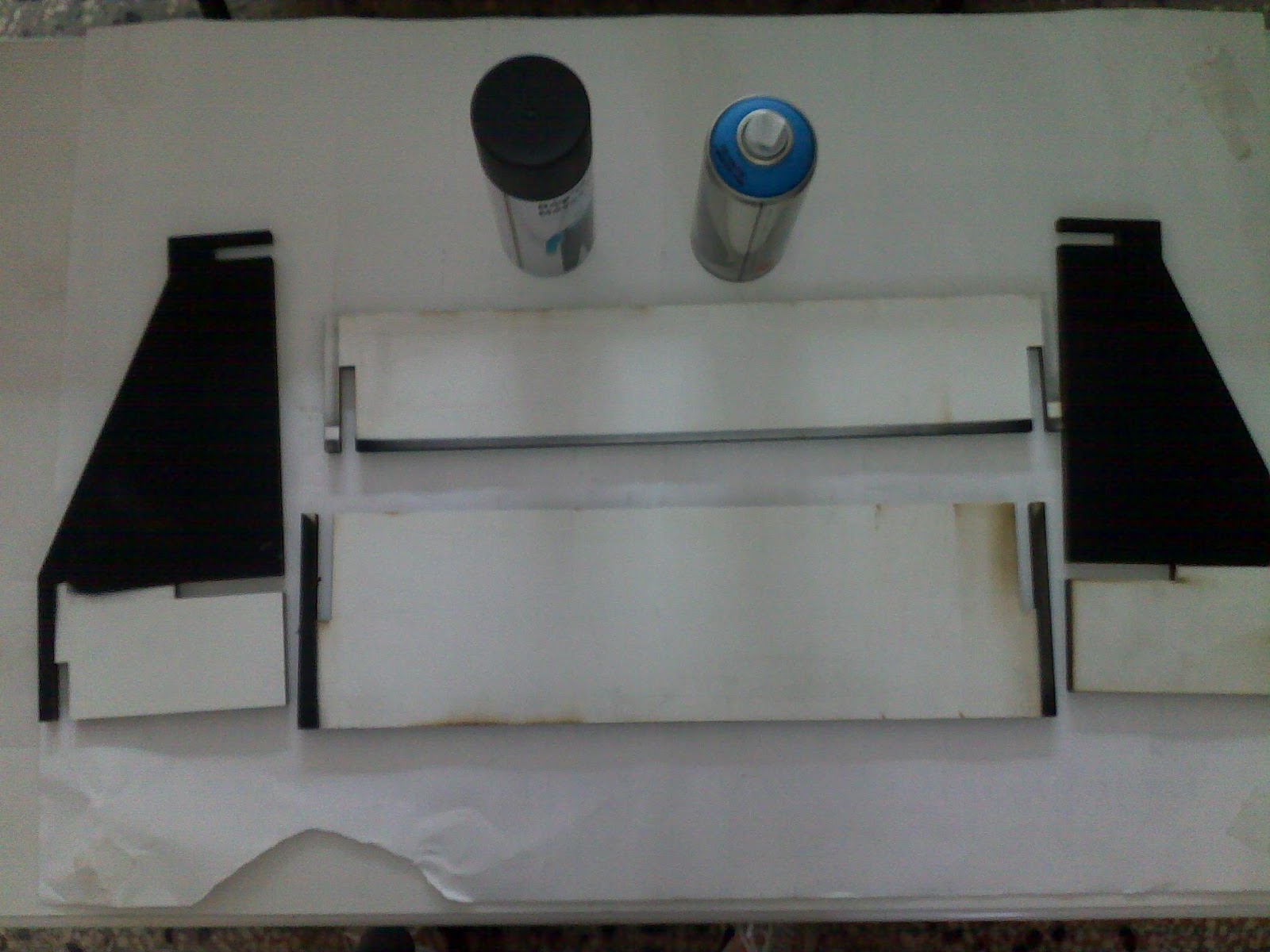
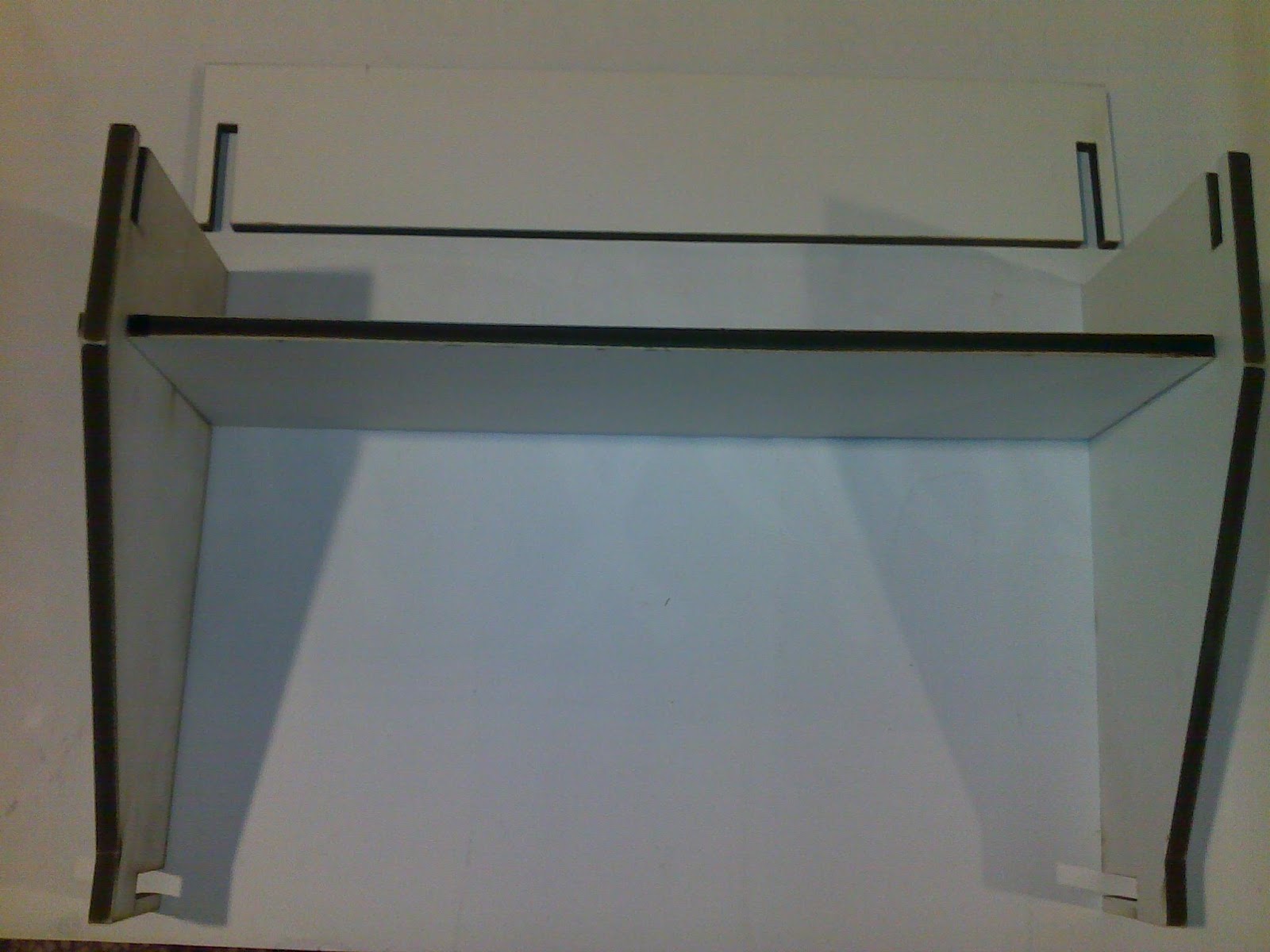
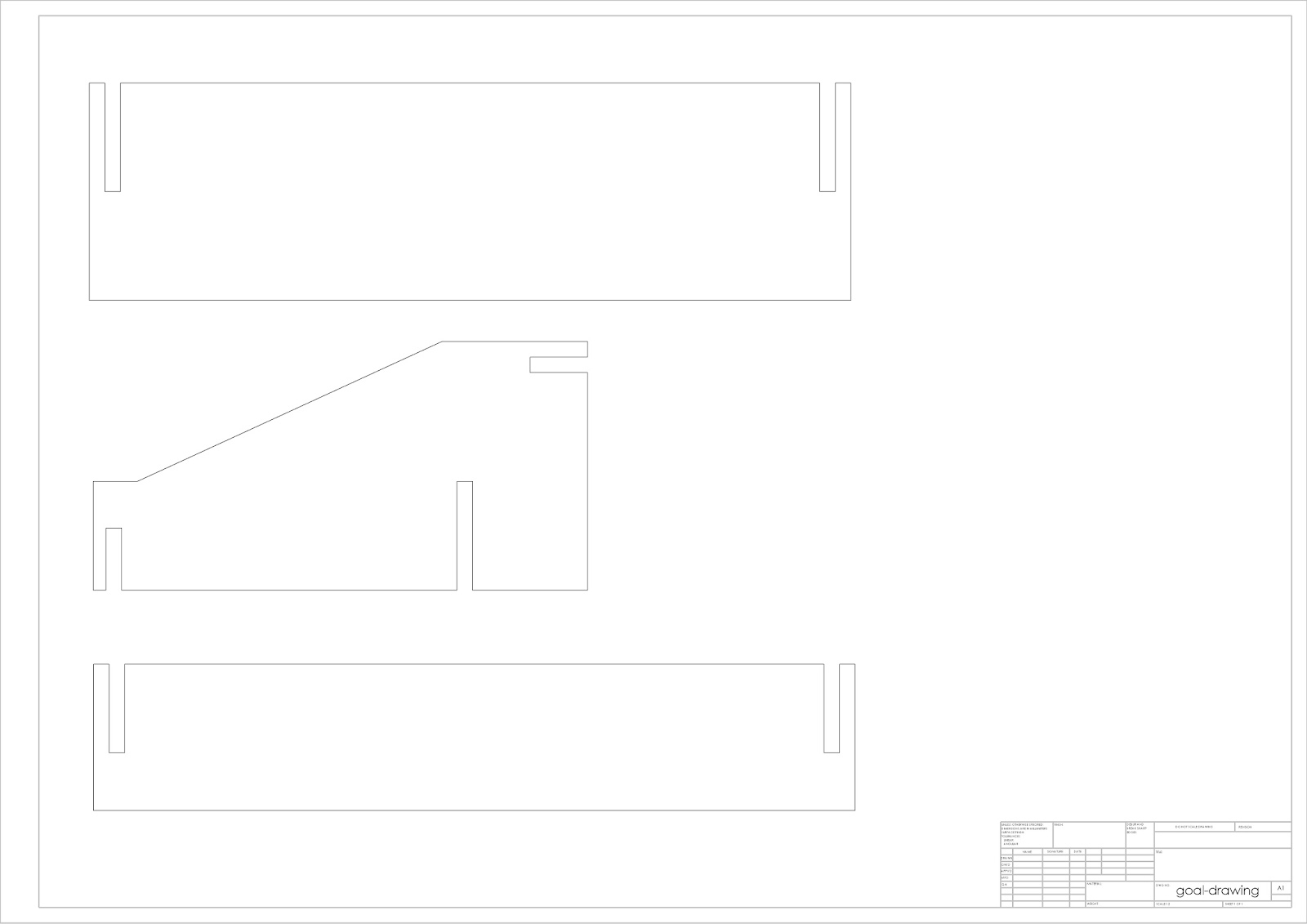
Βάσει του παρακάτω σχεδίου κόπηκαν σε πολυστερίνη τα τμήματα του τέρματος σε Laser Cutter. Το κόψιμο σε Laser Cutter δεν ήταν και η καλύτερη επιλογή καθώς λερώθηκαν και για να βαφτούν χρειάστηκε πολύ τρίψιμο και αρκετό χρώμα. Μάλλον θα ήταν καλύτερα να εκτυπωθούν και να κοπούν όπως φαίνεται στο https://www.youtube.com/
Περισσότερες φωτογραφίες: http://